Zurück zur vorherigen Seite
Homepage
May 8, 2026

Collaboration with Teledyne FLIR

Practical test of the FLIR A6450 for active thermography.

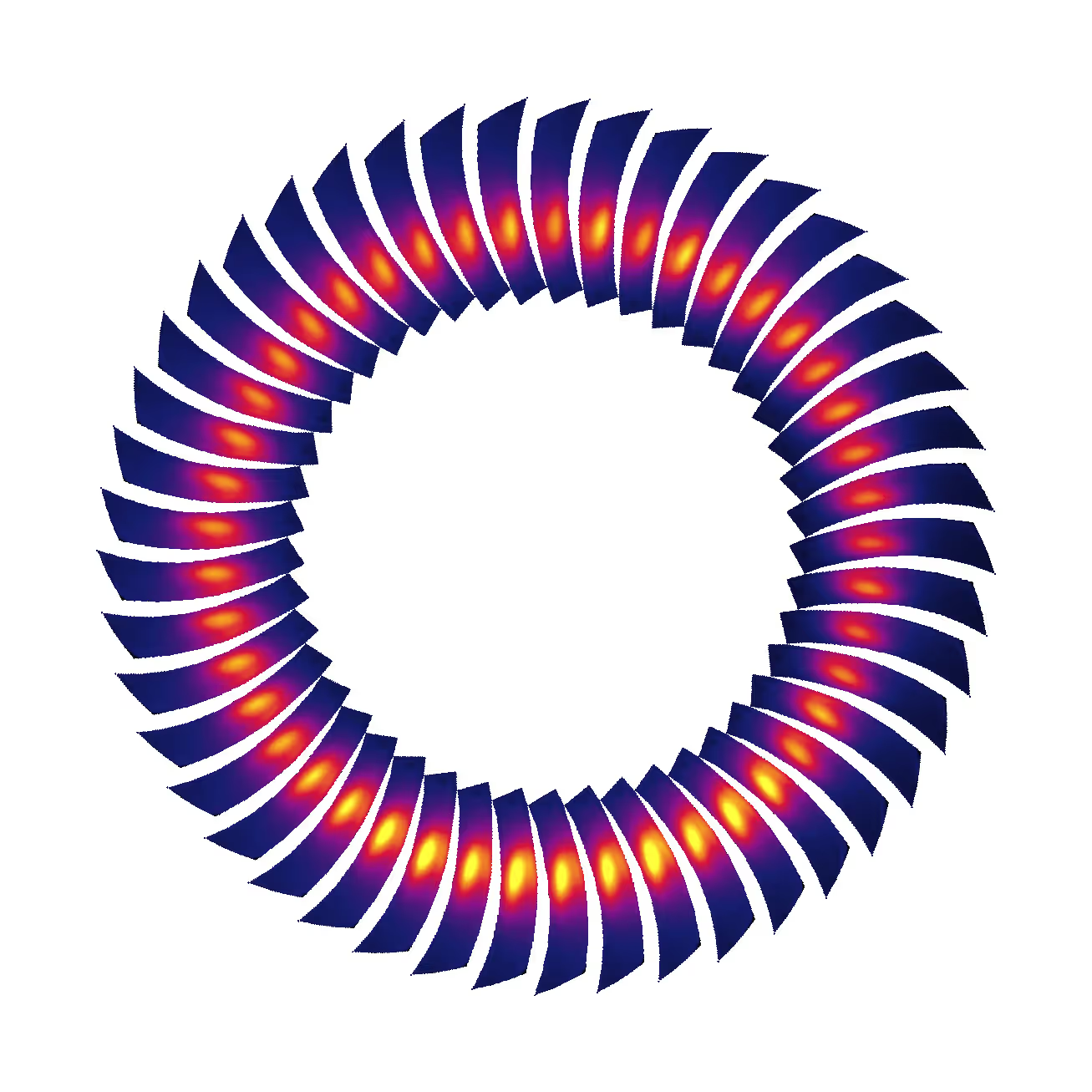
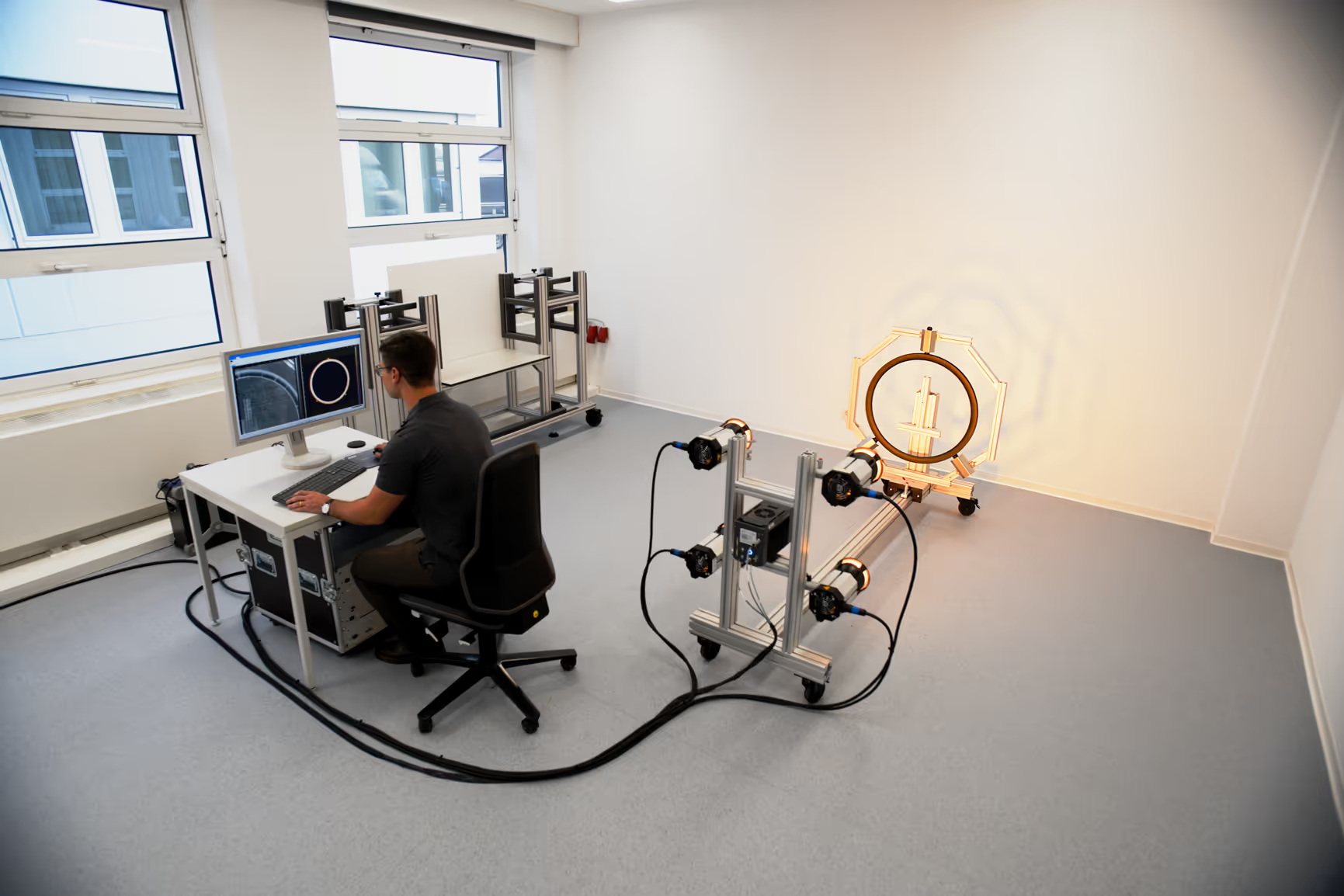
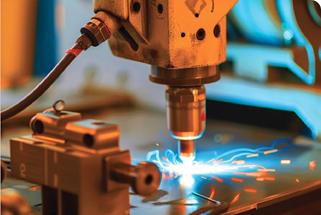
Together with Teledyne FLIR, we produced a video series showing how active thermography with the FLIR A6450 works in practice. From coating inspection and crack detection to the testing of carbon fiber components, the videos provide insight into the possibilities of modern infrared testing technology.

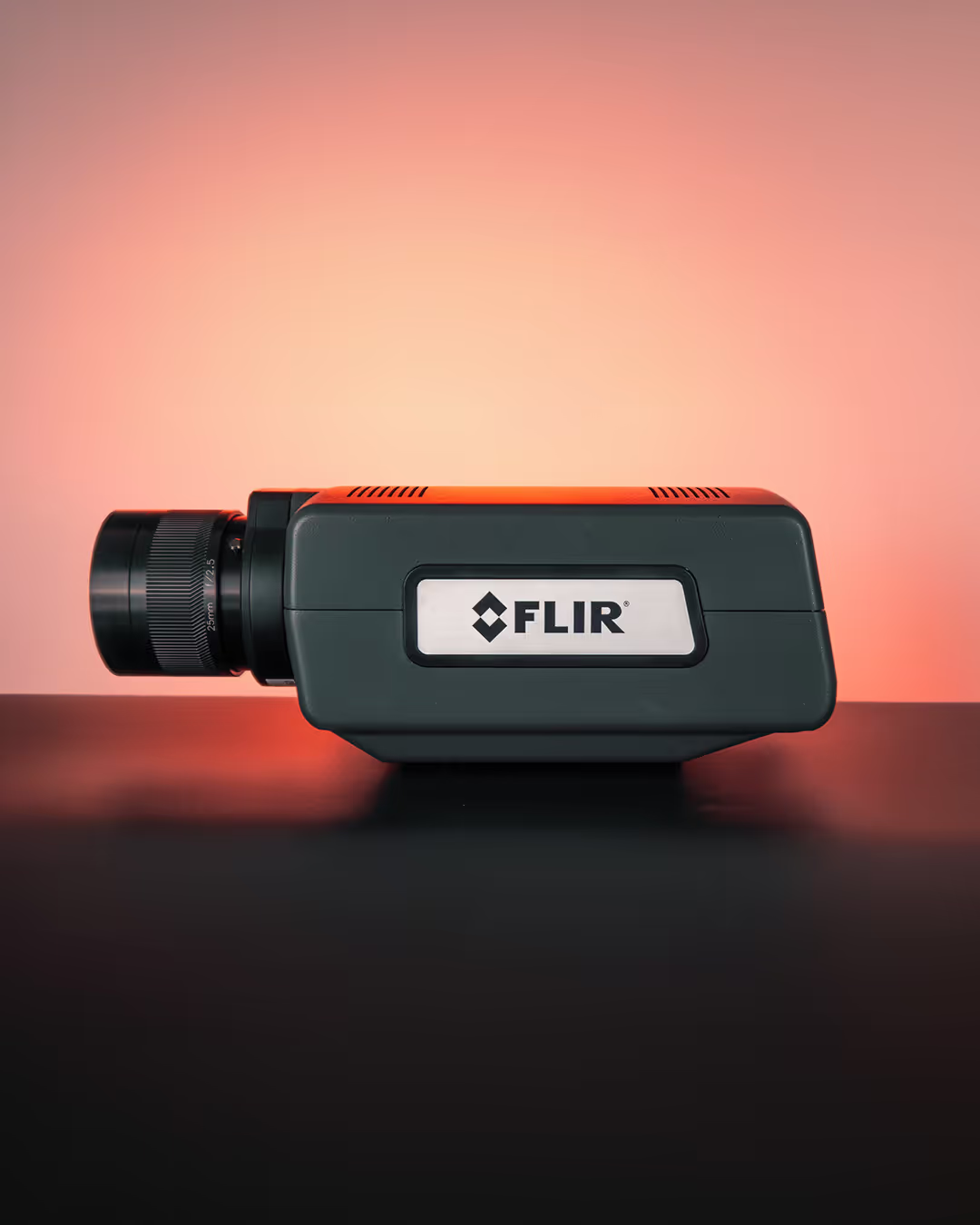
The FLIR A6450 at a Glance

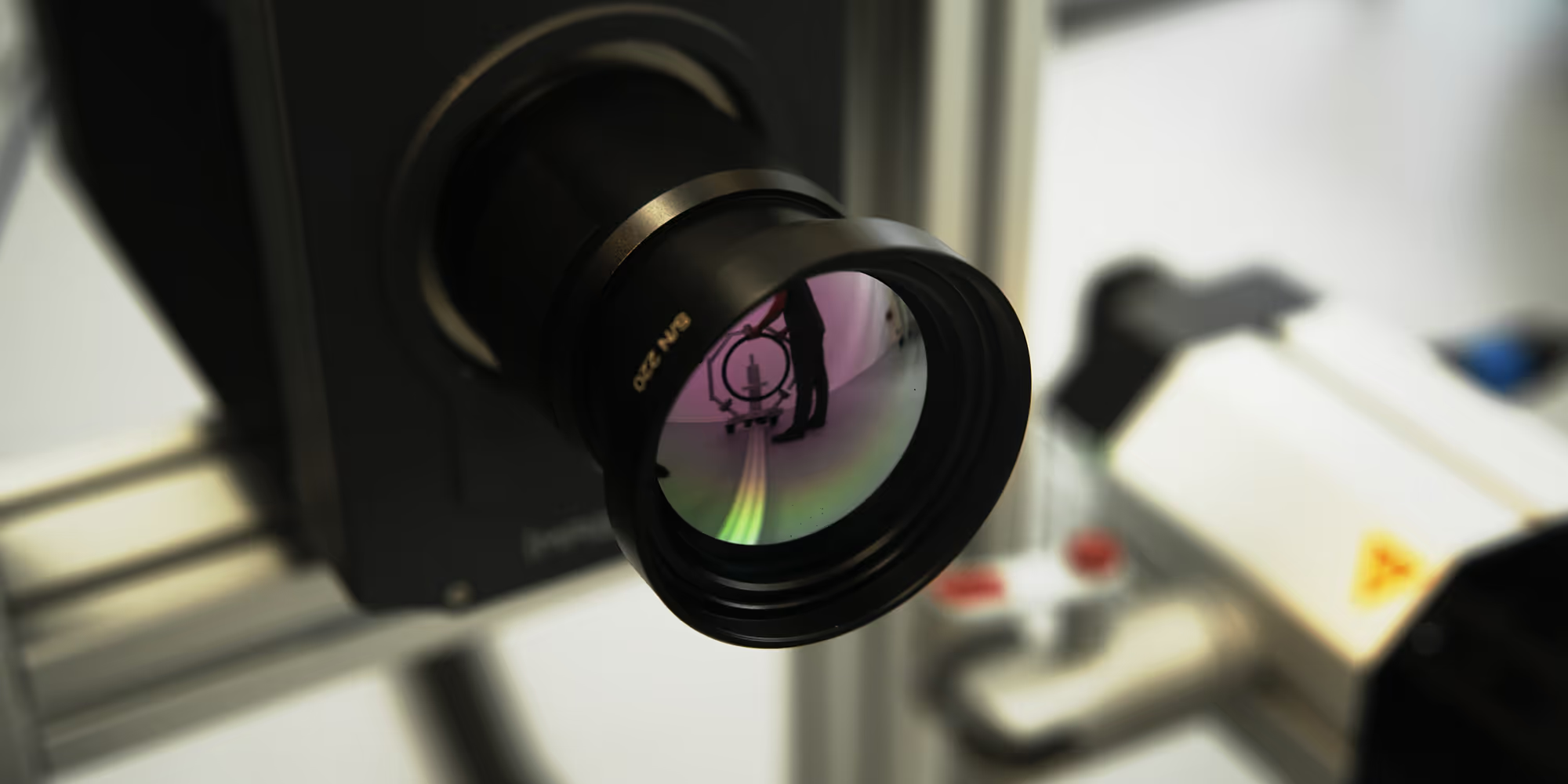
The FLIR A6450 is a high-performance cooled infrared camera specifically designed for demanding industrial applications and continuous 24/7 operation. Thanks to its long-life cooling technology, it achieves a service life of more than 27,000 operating hours and delivers precise, reliable measurement results even under continuous load.

Together with Teledyne FLIR Teledyne FLIR, we wanted to demonstrate just how powerful the camera truly is in practical active thermography applications. The focus was on real inspection methods used in industrial quality assurance, where even the smallest material defects can be made visible.

Anyone who would like to dive deeper can find a more detailed insight into each individual inspection method in our three short videos:

  • Coating Inspection – Laser Thermography (Coming Soon)
  • Crack Inspection – Induction Thermography (Coming Soon)
  • Carbon Fiber Inspection – Optical Thermography (Coming Soon)

Would you like to learn more or experience the technology live? Contact us for a personal consultation.

Acknowledgements

Teledyne FLIR: Matthew Hasty, Joachim Templin, Nora Liebl, and Eric Ringering for their assistance.

edevis GmbH: Alexander Dillenz, Alexey Prosotov, Johannes Frey, and Fränz Sadler for their on-site support.

Video production: Dresden Media, Johannes Mamat and Marek Heise.

Table of contents

    FAQ

    Our frequently asked questions — answered quickly and easily.

    All questions/answers

    How does active thermography work in quality inspection?

    What are the advantages of active thermography compared to other inspection methods?

    What is the FLIR A6450 and what makes it suitable for industrial applications?

    Which non-destructive testing methods are shown in the videos?