
Grinding burn & coating inspection
Non-destructive, contactless and fully automated.
With our laser thermography, you can reliably detect defects in grinding and coating processes with high precision and without leaving any residue. The method is contactless, non destructive and ideal for integration into automated inline inspection processes.

How it works – briefly explained
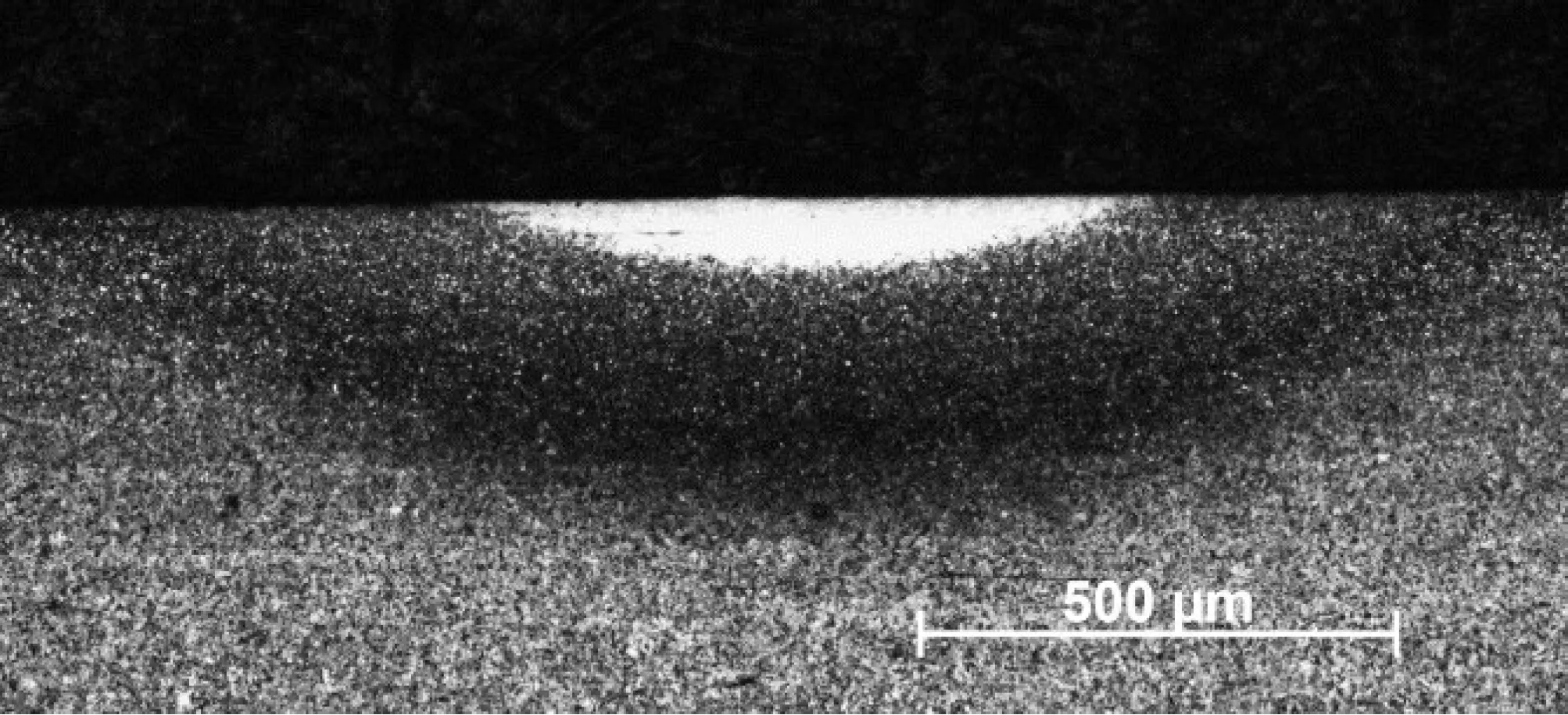
Our systems use active laser thermography. In this process, the surface of the component is precisely and periodically heated with laser light. The resulting heat spreads into the interior of the material and behaves differently depending on hardness, material structure or coating. An infrared camera captures this thermal response precisely and without contact. Using lock in analysis, meaningful phase and amplitude images are generated, allowing conclusions to be drawn about coating thickness, microstructure and thermal damage. The method delivers results in real time, without touching or damaging the component.
What is inspected?
Our systems reliably detect:
- Grinding burn and thermal damage
- Heat-affected zones & hardened zones
- Insufficient or missing coatings
- Delaminated or detached layers
- Defects in paint, adhesives, or sealants
- Hardening depth after heat treatment
Typical Components & Applications:
Valves, gears, shafts, worms, tools, bearing components, medical products, packaging, coated functional surfaces, high-gloss parts
Industries:
Automotive, medical technology, mechanical engineering, aerospace, packaging, toolmaking
Thermographic Functionality
Laser Thermography
Defects influence the heat flow, leading to local temperature differences. These differences are captured and analyzed by an infrared camera.
Still unsure whether we can test your product?
In a short initial consultation, we will explain how we can provide you with useful support with thermography — clearly, transparently and without obligation.
FAQ
Our frequently asked questions — answered quickly and easily.